
About
The Book
“A monumental achievement that will be valuable to scholars and general readers interested in Judaism, religion, and art history.”
For 40% off The Kabbalistic Tree, use coupon code ILANOT on any order placed on the publisher's website:
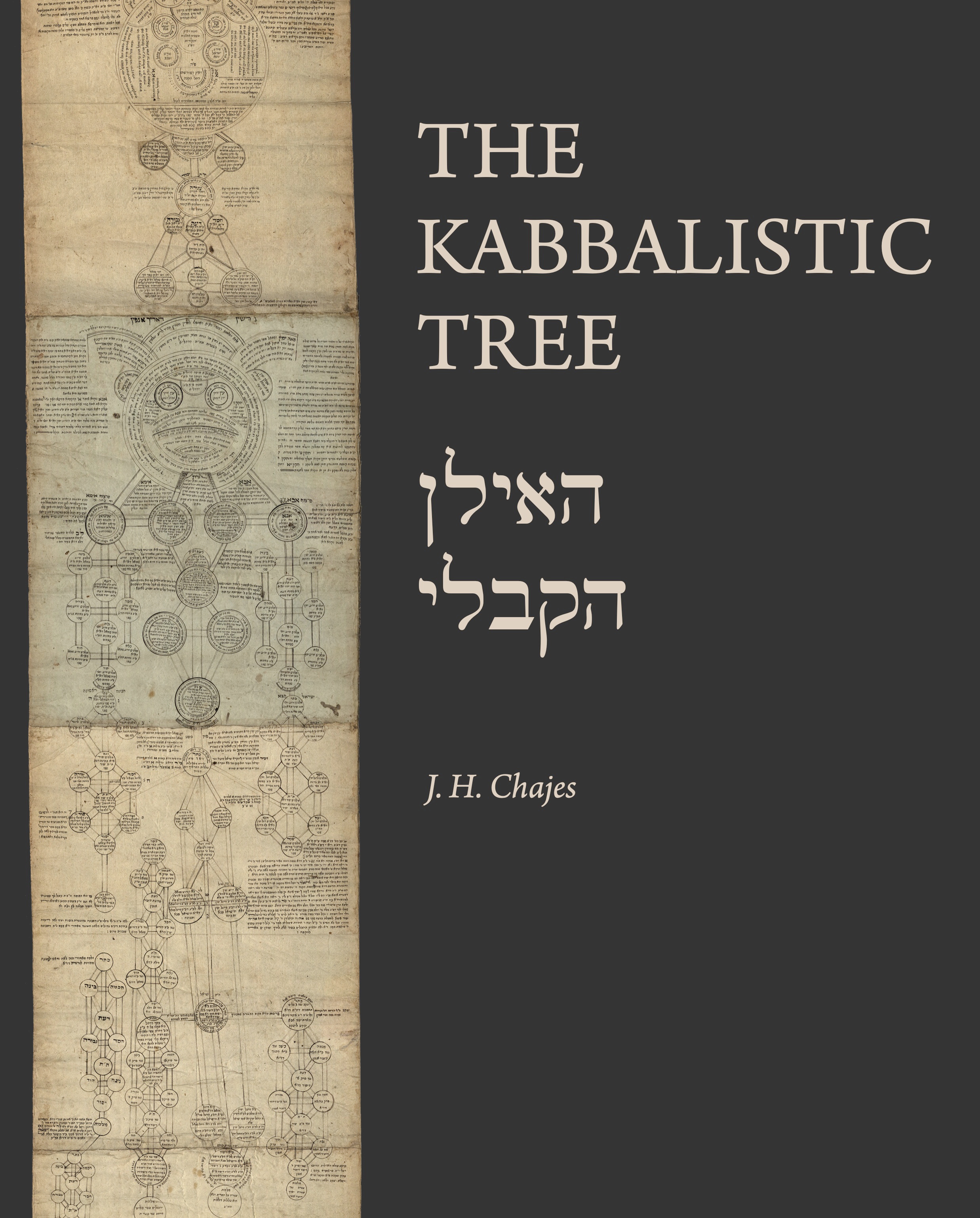
For centuries, kabbalists sought to map the hidden architecture of the divine. Their most ambitious efforts took visual form in ilanot—diagrammatic “trees” in which words, symbols, and graphic structures intertwine to represent the inner dynamics of the Godhead and the cosmos. In The Kabbalistic Tree, J. H. (Yossi) Chajes offers the first comprehensive study of this remarkable visual tradition, revealing how generations of Jewish mystics used complex diagrams to visualize, teach, and contemplate the structure of divine reality.
Drawing on manuscripts and scrolls from collections around the world—many reproduced here in stunning color—Chajes reconstructs the history of these “maps of God” from medieval Spain to the Lurianic kabbalists of Safed and beyond. The result is a work that brings to light an entire genre of Jewish intellectual and artistic creativity that had long escaped sustained scholarly attention. As Library Journal notes in its starred review, The Kabbalistic Tree is “a monumental achievement that will be valuable to scholars and general readers interested in Judaism, religion, and art history.”
Scholars and readers alike have emphasized the book’s transformative impact. The kabbalah scholar Daniel Matt calls it “one of the most fascinating, eye-opening books I’ve ever seen… an immense treat and treasure,” praising its ability to speak both to specialists and to curious lay readers.
For Nathaniel Berman, the book is nothing less than revelatory: “Every once in a while, someone writes something that makes me see the world anew… Well, now it is Yossi Chajes’s The Kabbalistic Tree… It will change the way all of us who study kabbalah understand the tradition.”
Similarly, Jay Michaelson describes the volume as “transformative and simply jaw-dropping,” arguing that it uncovers an entire genre of kabbalistic artistic production—diagrammatic representations of the divine—that has been almost completely overlooked. The lavishly reproduced ilanot, he writes, reveal visual systems through which kabbalists organized knowledge, taught students, and contemplated the divine order.
Richly illustrated and intellectually ambitious, The Kabbalistic Tree invites readers to encounter Kabbalah not only as a body of texts but as a visual and conceptual tradition—one that sought to chart the hidden structures of the cosmos with extraordinary ingenuity and beauty.