
About
Haifa Team
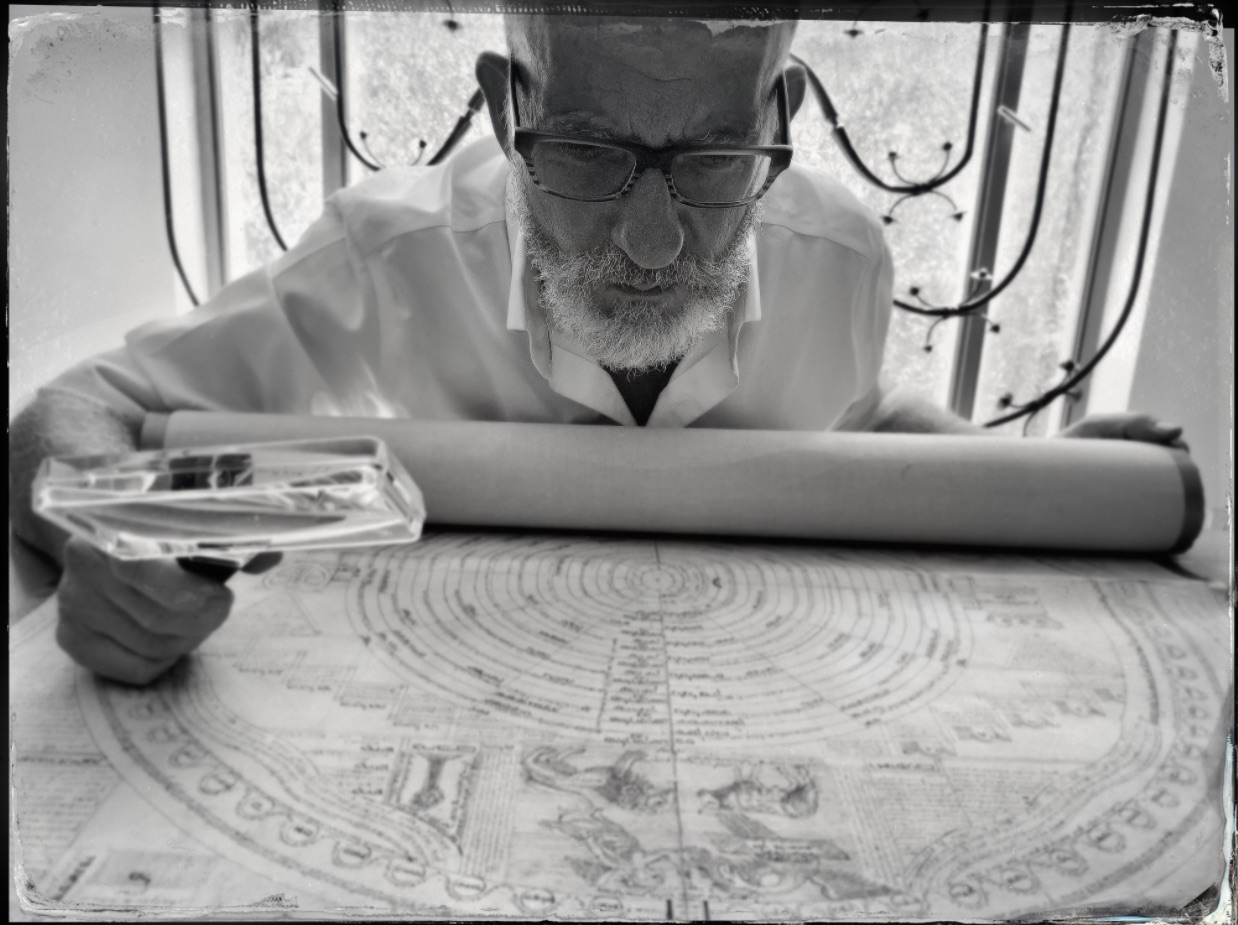
Prof. J. H. (Yossi) Chajes
Primary Investigator
J. H. (Yossi) Chajes (Ph.D., Yale University 1999) is Sir Isaac Wolfson Professor of Jewish Thought at the University of Haifa. Chajes’s research focuses on the intersection of Kabbalah, magic, and science in Jewish cultural history. He has written on spirit possession and exorcism, egodocuments, women’s religiosity, Jewish attitudes towards magic, and, most recently, on the visualization of knowledge (including his co-edited The Visualization of Knowledge in Medieval and Early Modern Europe, 2020). Chajes’s recent book, The Kabbalistic Tree, has been lauded as a “monumental achievement that will be valuable to scholars and general readers interested in Judaism, religion, and art history.” For over a decade, Chajes has directed the Ilanot Project, an ambitious and unprecedented attempt to research the history of kabbalistic diagrams; in partnership with the University of Göttingen, he is also creating a platform for the research and presentation of critical editions of kabbalistic trees online: Maps of God. Chajes has also been a visiting professor at the Jewish Theological Seminary in New York, a three-time fellow at the Katz Center for Advanced Judaic Studies at the University of Pennsylvania, and a fellow at the Israel Institute for Advanced Studies in Jerusalem and the Forschungskolleg Humanwissenschaften of Goethe University Frankfurt. Chajes has also given the EHESS lectures in Judaic Studies (2019), the Yale University Arffa Lecture Series (2025), and was the first scholar of Jewish Studies to deliver the Harvard University Houghton-Medieval Studies Lecture and Workshop in Early Book History in early 2026.
Dr. Eliezer Baumgarten
Lab Manager, eLijah-Lab
Dr. Eliezer Baumgarten is Lab Manager of eLijah-Lab for Digital Humanities in the Faculty of Humanities at the University of Haifa. His research examines the transmission of knowledge between cultural spheres in the early modern period, using quantitative methods such as network analysis and text reuse detection. He is involved in a range of digital projects, including the Ilanot Project, the development of digital editions of kabbalistic and magical literature, and bibliographic analysis using advanced technologies. He has been a collaborating researcher in the Ilanot Project since 2012.
Dr. Hadar Miller
Chief Technology Officer
Dr. Hadar Miller is the Chief Technology Officer of ElijahLab. He supports digital transformation processes in heritage organizations in Israel and has extensive experience in information systems planning. He specializes in issues related to information networks and text reuse detection
Dr. Uri Safrai
Research Fellow
Dr. Uri Safrai is a tenured Senior Lecturer in Jewish Thought at Herzog College. He received his Ph.D. from Ben-Gurion University of the Negev in 2017 for a study of sixteenth-century kabbalistic prayer intentions. His two books, both published in 2026, are To Serve You in Truth: Image, Power and Capacity in Early Modern Kabbalistic Kavvanot Literature and Purify Our Hearts: Kabbalists, Pietists and Halakhists in Sixteenth-Century Safed. His research ranges across kabbalistic prayer, the intellectual culture of Safed, and the interpretation and visualization of kabbalistic knowledge. A longtime collaborator in the Ilanot Project, he has co-edited scholarly digital editions of classical and Lurianic ilanot and co-authored studies of their visual structures and the work of R. Moses Zacuto.
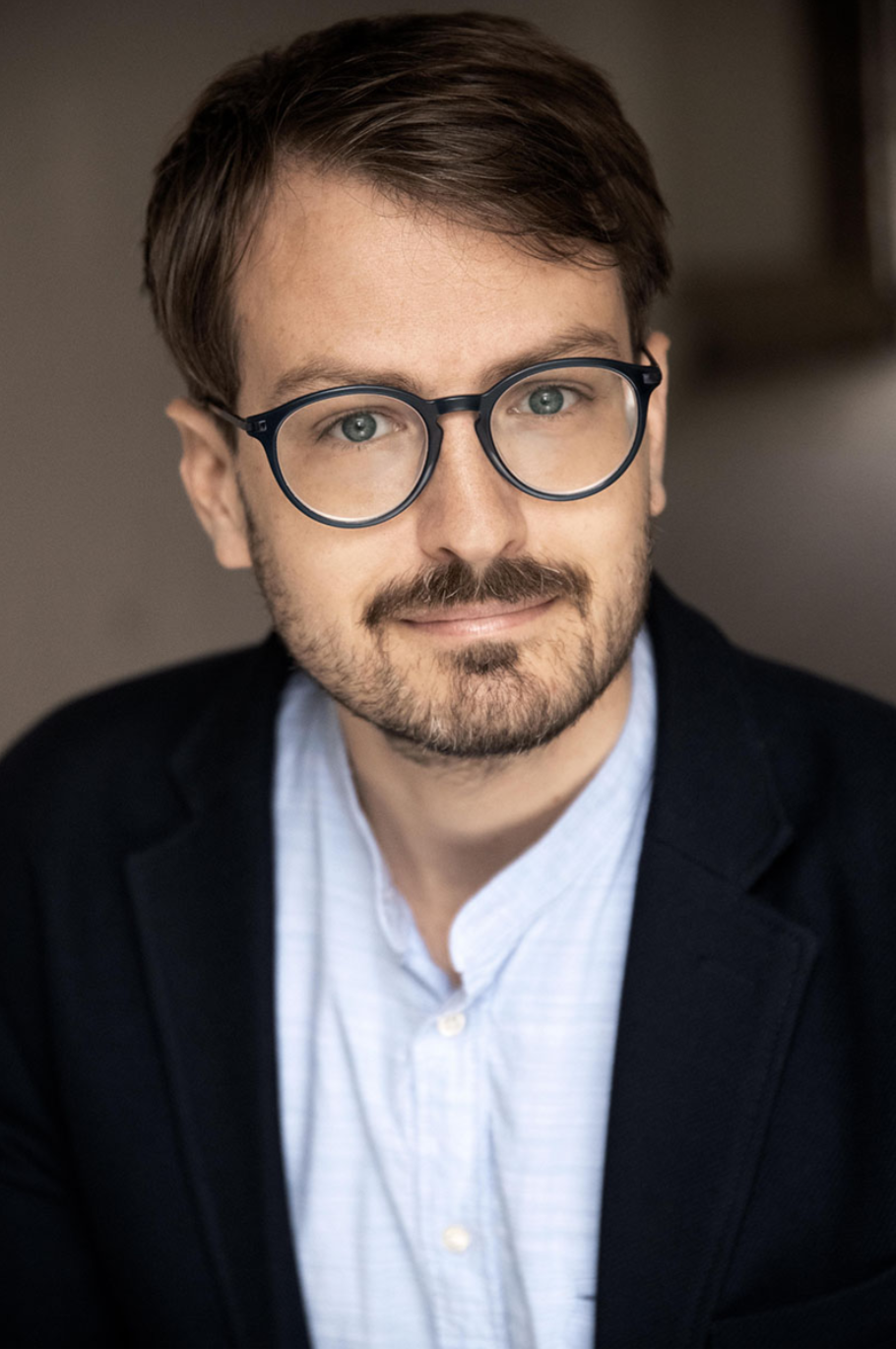
Dr. Maximilian de Molière
Postdoctoral Research Associate
Maximilian de Molière works at the intersection of Jewish intellectual history and digital humanities. He completed his doctoral dissertation in 2020 on the library of the sixteenth-century Christian Hebraist Johann Albrecht Widmanstetter, reconstructing the structure and development of Widmanstetter's collection — its acquisition history, book trade connections, and distinctive engagement with kabbalistic texts — and situating him within a broader humanist milieu alongside figures such as Guillaume Postel and Egidio da Viterbo. This research has since appeared as Confronting Kabbalah: Studies in the Christian Hebraist Library of Johann Albrecht Widmanstetter.
From 2018 to 2024, Maximilian held a position on a DFG-funded project on Moses Zacuto, where he examined the material culture and social networks of early modern Jewish correspondence. A new critical edition of Zacuto's letters is forthcoming. Since 2025, as an Azrieli International Postdoctoral Fellow at the University of Haifa, his research has turned to the transmission history of Ilanot across early modern Jewish and Christian Hebraist collections. Alongside this, he serves as a research fellow in the ERC-funded MAJLIS project at the University of Munich, where he leads the development of digital tools for manuscript cataloging and data curation.
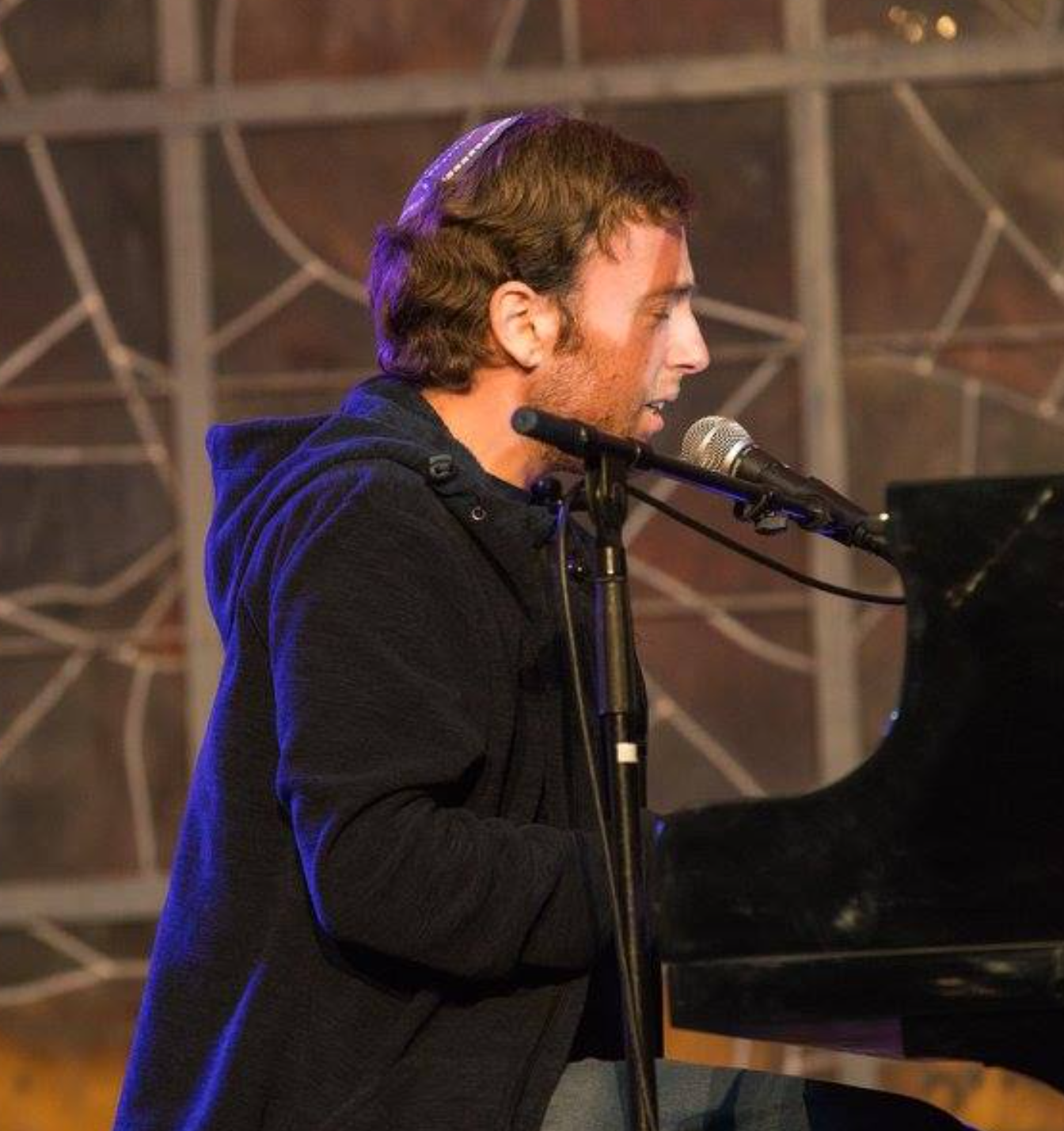
Boaz Taub
Research Assistant
Boaz Taub completed his MA thesis at Ben Gurion University in 2025: “Commentary on the Passover Haggadah by Rabbi Nathan Shapira of Jerusalem: Structure, Homilies and Characteristics.” The thesis analyzes Shapira’s Haggadah commentary, highlighting his "compilatory-creative" method as a framework for Lurianic innovation.
Boaz teaches at Yeshivat Otniel and is also a musician.
Former Haifa Team Members

Dr. Hanna Gentili
Research Fellow
Dr. Hanna Gentili (Ph.D Warburg Institute, 2021) is a Research Fellow in the Department of Jewish History at the University of Haifa. Her research focuses on the relationship between medieval Jewish thought and the Italian Renaissance. Her Ph.D thesis ‘The Reception of Aristotle in the Work of Yoḥanan Alemanno: Peripatetic Sources in MS Reggio 23’, supervised by Prof. Charles Burnett and Prof. Guido Giglioni, analyses the philosophical library of the kabbalist Yoḥanan Alemanno in the context of fifteenth-century Florence.
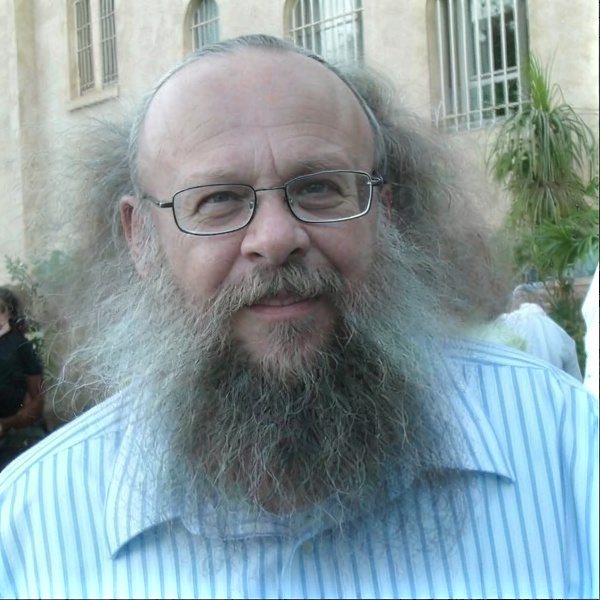
Dr. Menachem Kallus
Postdoctoral Researcher
Dr. Menachem Kallus is a scholar of Jewish mysticism whose research focuses on Lurianic Kabbalah, Hasidism, and the contemplative dimensions of Jewish prayer and spiritual practice. He received his PhD from the Hebrew University of Jerusalem in 2002 under the supervision of Moshe Idel, with a dissertation entitled The Theurgy of Prayer in Lurianic Kabbalah. His work explores the intersection of kabbalistic metaphysics, ritual, and contemplative experience, with particular attention to the theological and psychological dimensions of Jewish esotericism. Kallus has been affiliated with the University of Haifa and played an important role in the early study of kabbalistic ilanot, contributing foundational descriptions and analysis that helped catalyze later research in this field. He is also known for his translation and annotation of Pillar of Prayer: Teachings of Contemplative Guidance in Prayer, Sacred Study, and the Spiritual Life from the Baʿal Shem Tov and His Circle, a significant presentation of early Hasidic teachings on contemplative prayer.
Göttingen Team
Dr. Jan Brase
Göttingen Project Coordinator
Jan Brase heads Research and Development at Göttingen State and University Library and serves as the Göttingen coordinator of Maps of God. Trained in mathematics, with a doctorate in computer science from the University of Hannover, he specializes in research infrastructures and data citation. Before joining Göttingen, he served as Executive Officer of DataCite, the international consortium that enables research data to be persistently identified and cited.
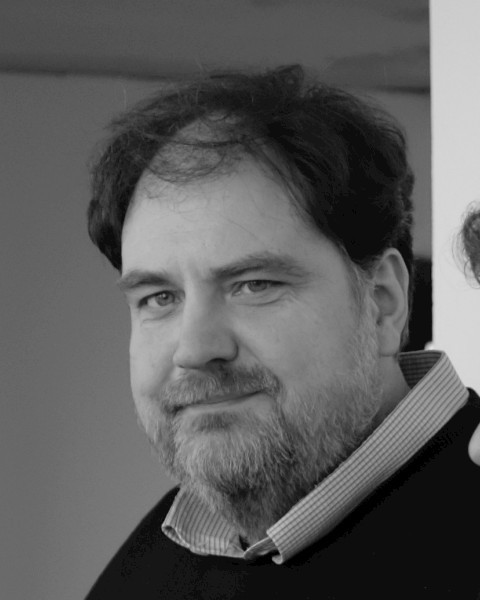
Alexander Jahnke
Ontology and Metadata Development
Alexander Jahnke is a librarian and head of Publication and Data Services at Göttingen State and University Library. He develops metadata applications and infrastructures for libraries and digital humanities research. His contribution to Maps of God centers on the project’s ontology: the structured framework for describing the entities and relationships represented in kabbalistic diagrams. This work provides a foundation for connecting and comparing information across the project’s digital editions.
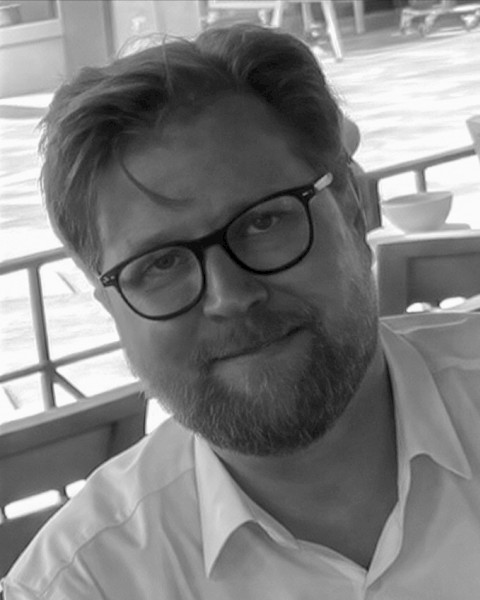
Christoph Kudella
Digital Editions and Research Infrastructure
Christoph Kudella is a historian, philologist, and research librarian whose scholarly interests focus on Renaissance intellectual history. His doctoral research examined humanist correspondence networks through digital methods. At Göttingen State and University Library, he has coordinated digital scholarly editions and worked on research infrastructures including Text+. He contributes to the Göttingen collaboration on Maps of God through his expertise in digital editions and the infrastructures that support them.
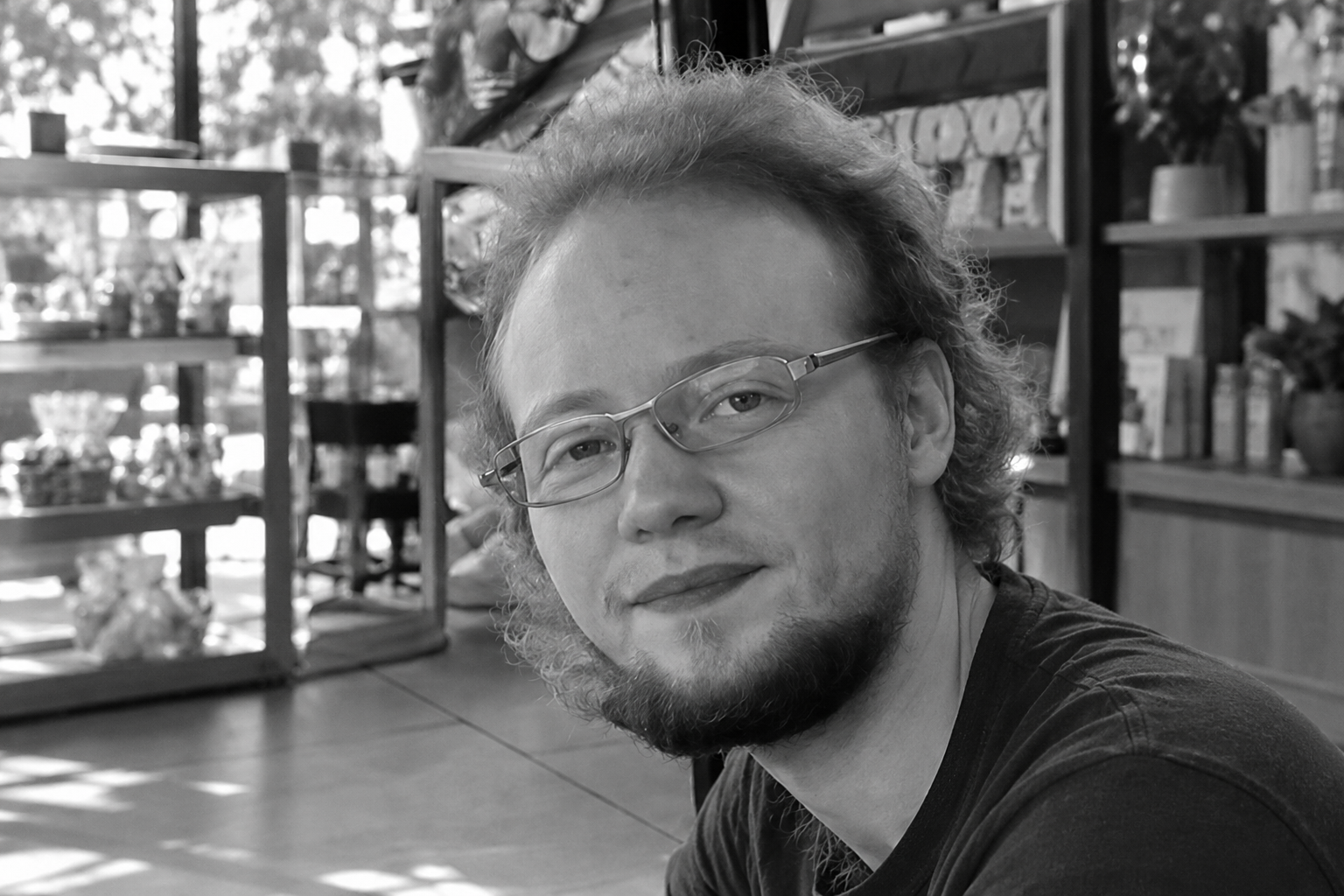
Nathanael E. Schweikhard
Research and Digital Development
Nathanael E. Schweikhard is a linguist whose research brings computational methods to historical language comparison, word formation, and the representation of etymological relationships. His publications include collaborative work on computer-assisted language comparison, and he has contributed to linguistic data resources including Concepticon. He joined the Göttingen team during the second phase of Maps of God, contributing to the project’s digital development and work with the AMPLE database.
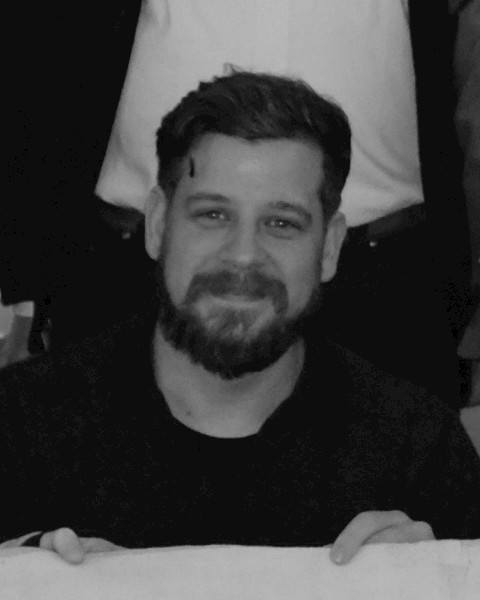
Uwe Sikora
Metadata Modeling and Digital Tools
Uwe Sikora is a digital humanities specialist at Göttingen State and University Library, where he heads the Metadata and Data Conversion group. He studied Egyptology, Classical Archaeology, and Akkadian Studies at the University of Göttingen. His work focuses on modeling research data and developing information systems for humanities scholarship. During the first phase of Maps of God, he contributed to the project’s metadata and digital tools, bringing expertise in representing complex textual and visual materials.
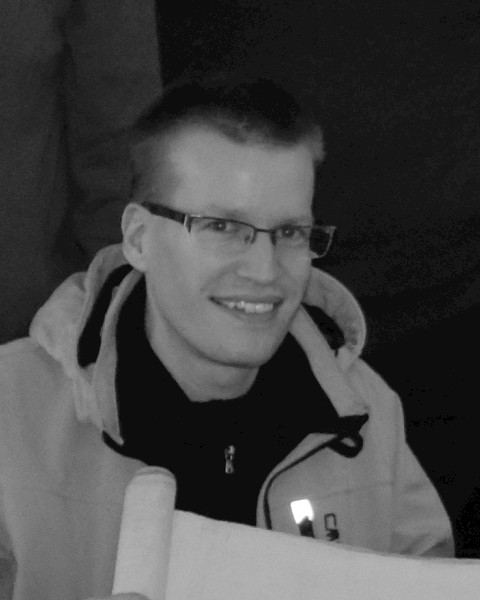
Johannes Biermann
Software Development · First Project Phase
Johannes Biermann is a computer scientist specializing in digital humanities and the preservation of digital information. He studied information technology in Stuttgart and completed a master’s degree in Conservation of New Media and Digital Information at the State Academy of Fine Arts Stuttgart in 2013. At Göttingen State and University Library, he contributed software development to the first phase of Maps of God. Since 2022, he has worked at GWDG on applications of high-performance computing in the digital humanities.
Affiliated Scholars
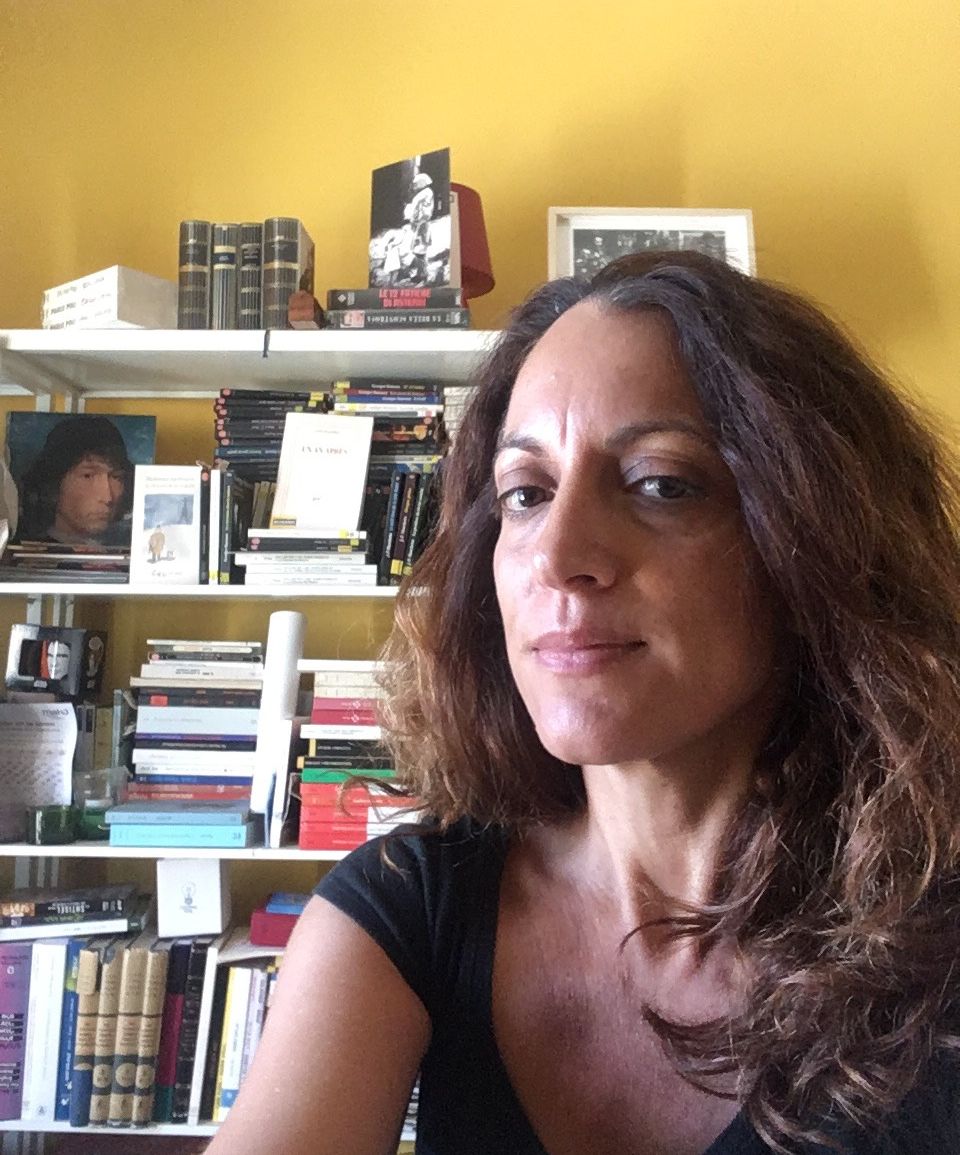
Prof. Emma Abate
Project Consultant
Emma Abate is Associate Professor of Hebrew and History of Judaism, Jewish Culture, and History of the Hebrew Book in the Department of Cultural Heritage of the University of Bologna (Ravenna Campus). Her research focuses on the study of the Hebrew manuscript tradition, with particular attention to Kabbalah and magic. She is the Principal Investigator of the project BiNaH: Bibliothèque nationale "Hebraica", Hebrew Manuscripts in Paris funded by the Agence Nationale de la Recherche (France) and based at the Institut de recherche et d’histoire des textes (IRHT-CNRS) in Paris. She coordinates the Laboratory of Hebrew Epigraphy and Codicology (LECE) and the European project Books within Books: Hebrew Fragments in European Libraries, aimed at identifying and cataloguing reused manuscript fragments. She is co-editor of the journal Materia Giudica (Giuntina). Among her recent publications, “La visione degli arredi del santuario” (in Counting the Miracles, eds. S. Greco and J. Olszowy-Schlanger, 2025), “Hebrew Fragments and Kabbalistic Diagrams in Urbino State Archive” (in Habent sua Fata Fragmenta, eds. E. Abate, S. Campanini, J. Olszowy-Schlanger and G. Veltri, 2025).
Prof. Abate has worked with the Ilanot Project for over a decade. She has published on ilanot --including co-authoring with Prof. Chajes -- and provided many of the paleographical assessments found on this platform and in numerous ilanot-related publications.