
Research
-
TitleSummaryPreview
-
‘A Secret Particularly Obscure’: The Menorah and the Sacred Space of Classical Ilanot (Kabbalistic Trees)
J. H. Chajes “‘A Secret Particularly Obscure’: The Menorah and the Sacred Space of Classical Ilanot (Kabbalistic Trees),” in The Menorah and the Seven-branched Candelabrum, ed. Andrea Worm, and Maria Streicher (Berlin: De Gruyter, 2025): 307–39.
2025
The biblical Tabernacle and Temple were elaborate structures designed to activate the ‘Holy of Holies’ portal to the divine realm. Biblical cosmology determined their layout and components, from cherubic curtains to the Ark of the Covenant. Although full-fledged astral-magical talismanic …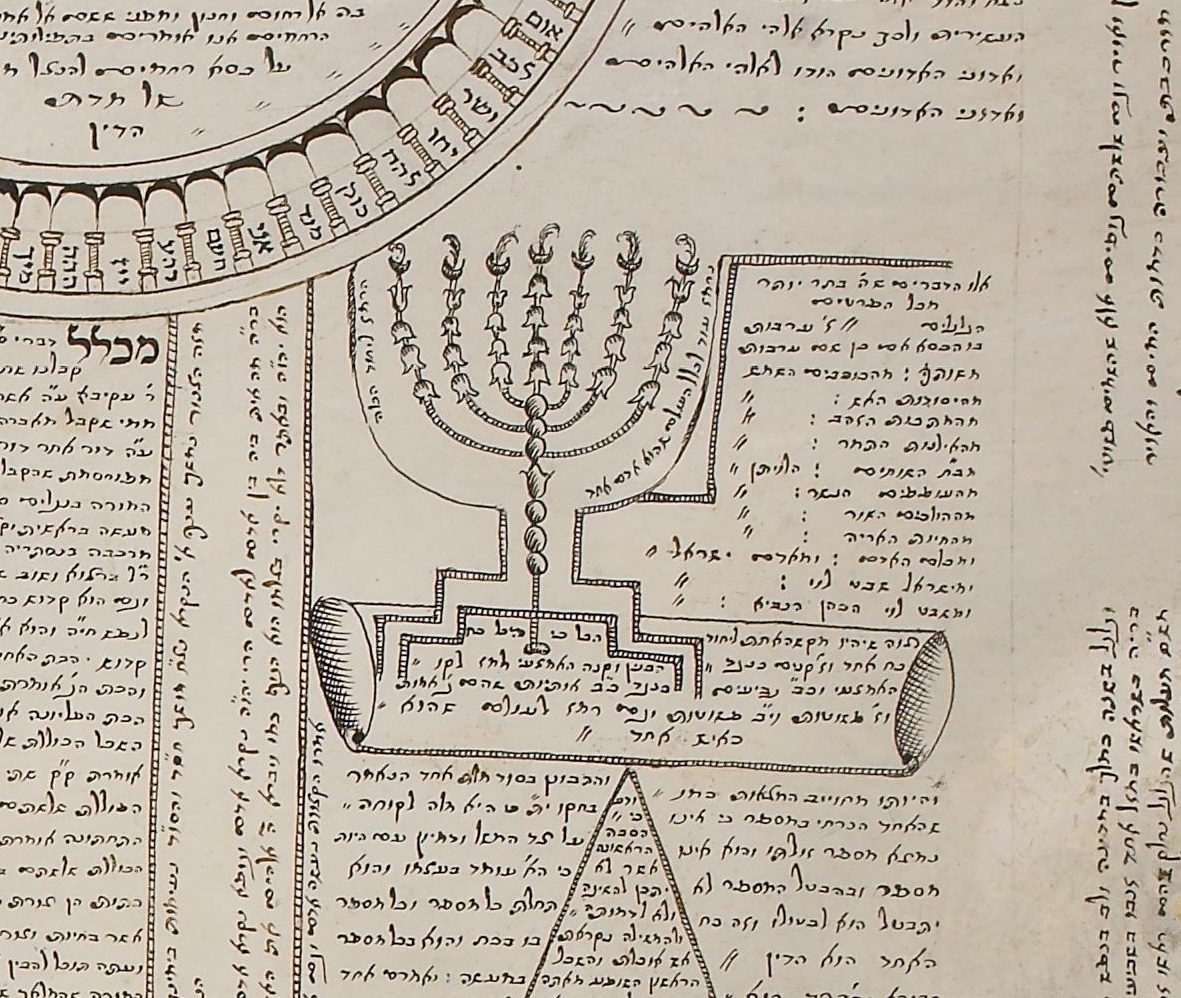
-
Imaginative Thinking with a Lurianic Diagram
J. H. Chajes Jewish Quarterly Review, Volume 110, Number 1, Winter 2020, pp. 30-63.
2020
This article examines the epistemological function of diagrammatic representation in early modern Lurianic Kabbalah through a close analysis of a specific diagram drawn by R. Hayyim Vital. While kabbalists appropriated scientific schemata—such as the concentric circles of astronomy and the arboreal …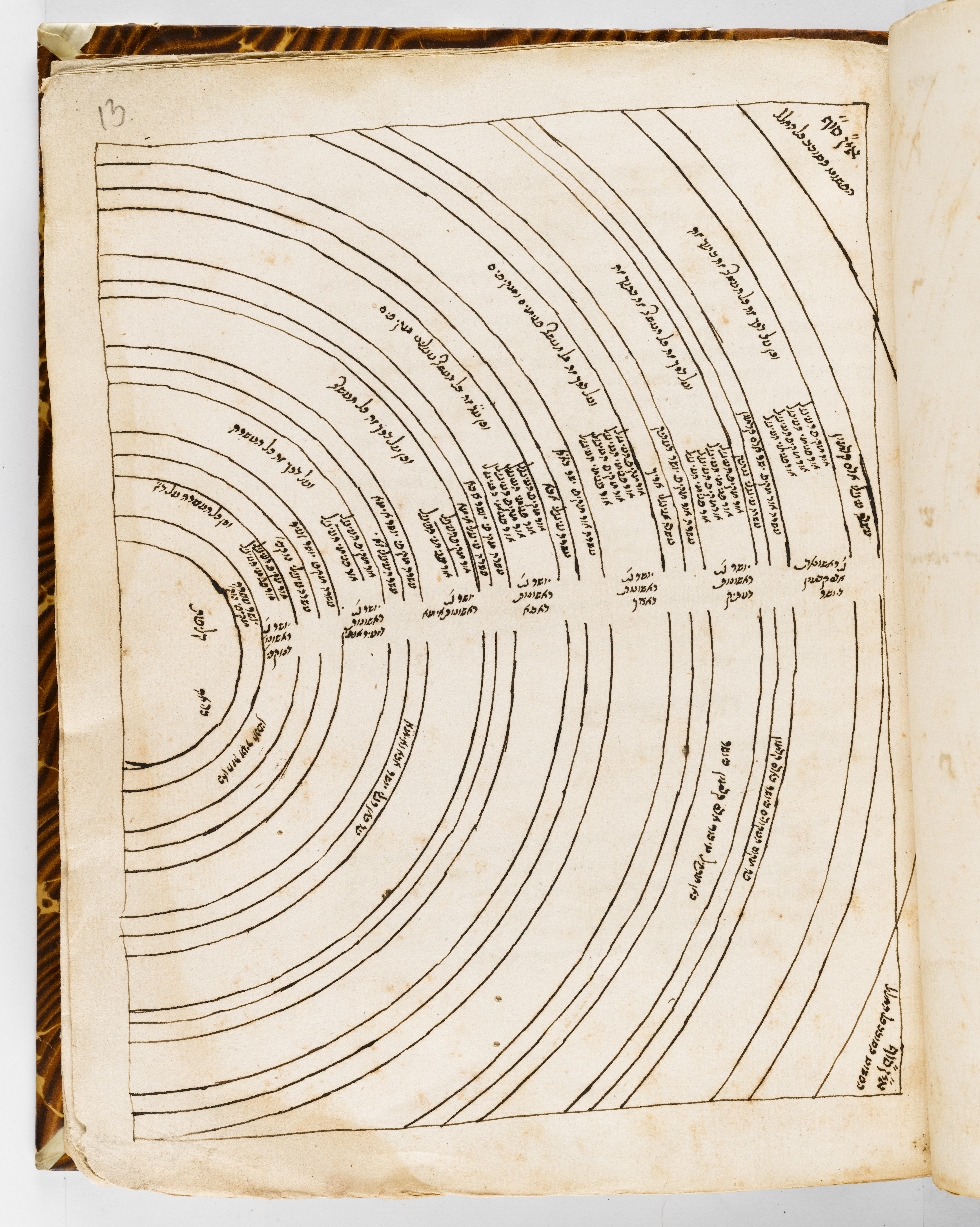
-
Along This Channel Jacob Ascends to the Neck: On Movement and Change in the Kabbalistic Tree
Eliezer Baumgarten & Uri Safrai Mabatim 3 (2024), 154-174 [Hebrew]
2024
The kabbalistic Ilan (diagram of the ten sefirot) appears in many forms and configurations in manuscripts throughout history. The different forms differ both visually and textually: visually in the ways in which the ilan is designed and the sefirot are organized on the page; textually in the …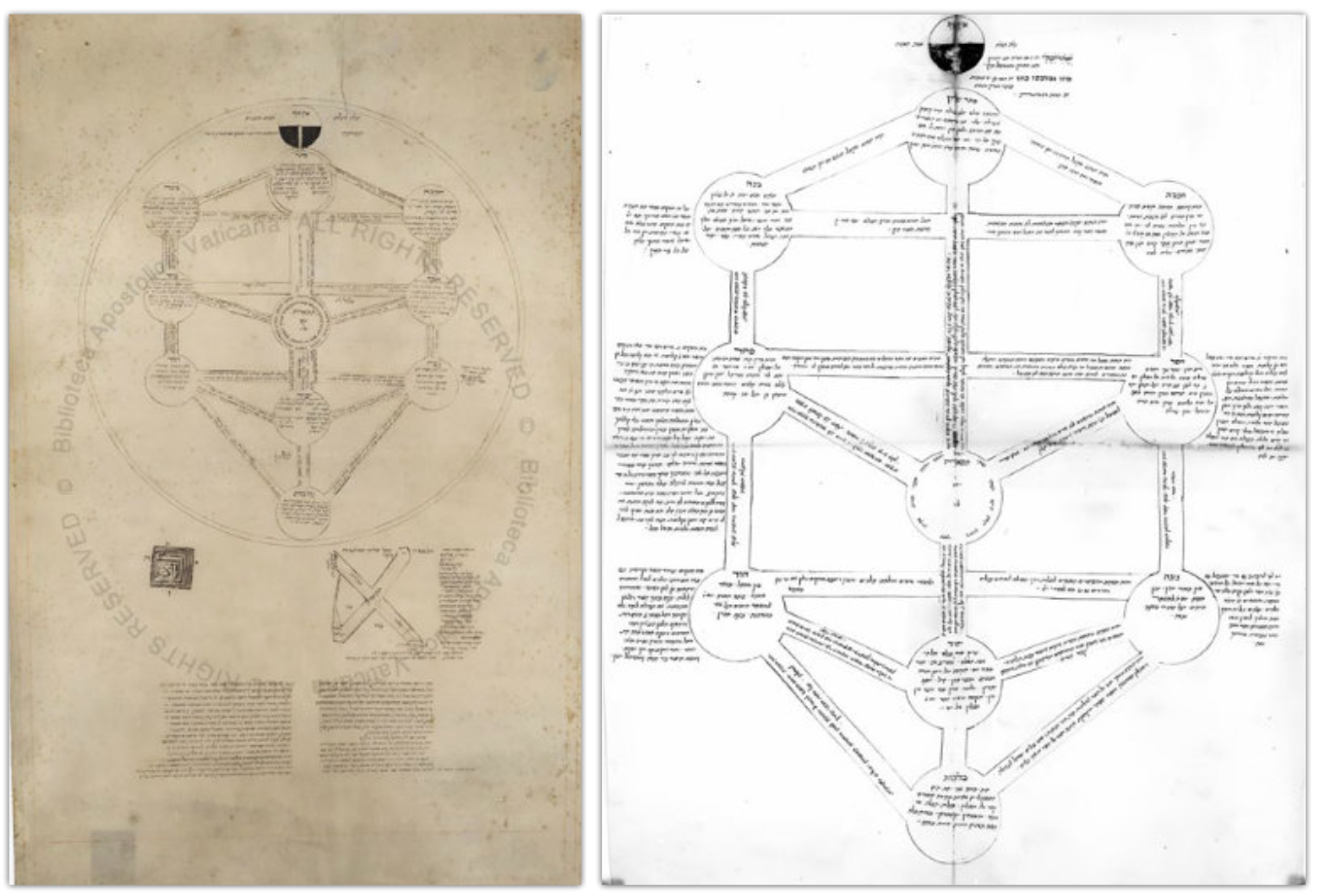
-
Faces of God: The Ilan of Rabbi Sasson ben Mordechai Shandukh
Eliezer Baumgarten Images 13 (2020), 1-17
2020
Rabbi Sasson ben Mordechai Shandukh was one of the leaders of the renewed Jewish community in Baghdad in the second half of the eighteenth century and at the beginning of the nineteenth century. Among the literary heritage left by Rabbi Sasson Shandukh, which includes moral literature, liturgical …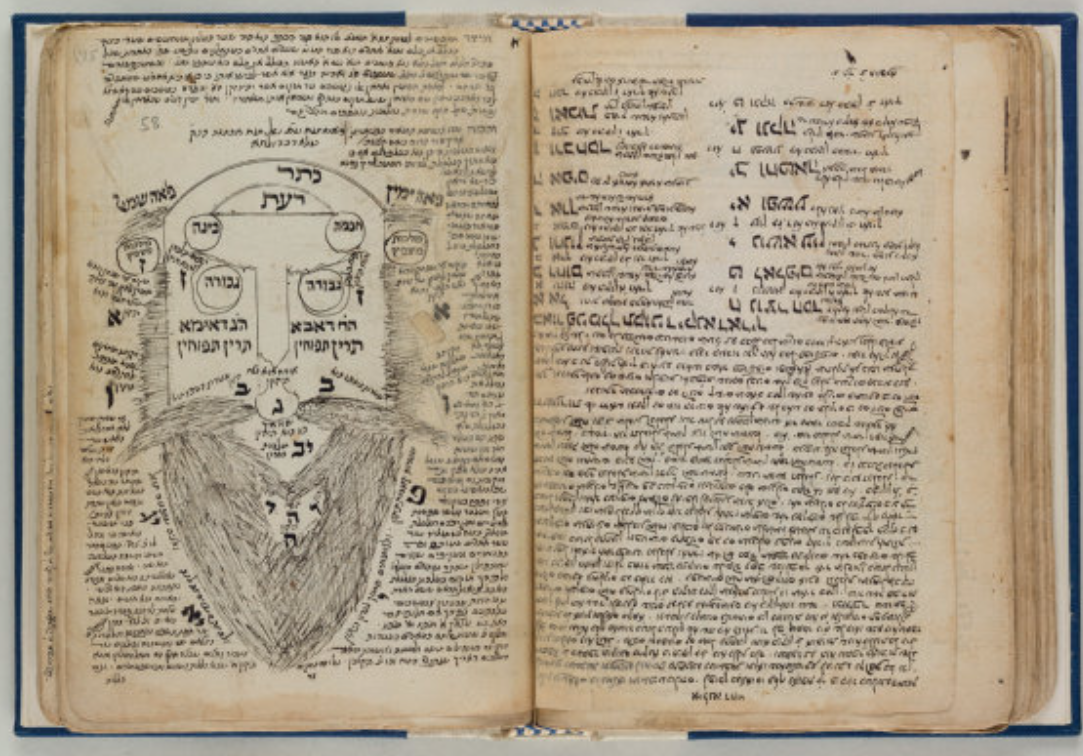
-
Kabbalah and Marriage Customs in Early Modern Italy
Eliezer Baumgarten & Uri Safrai World Union of Jewish Studies 26 (2021) 157-183
2021
Around 1538, the Jewish community of Rome was in an uproar. According to local custom, the bride was to stand at the groom’s left. Seemingly, in the wake of Ashkenazi immigration to Italy, a new custom had taken hold: the bride was placed to the right of the groom. In this paper, we discuss the …
