
Research
The Poppers Ilan
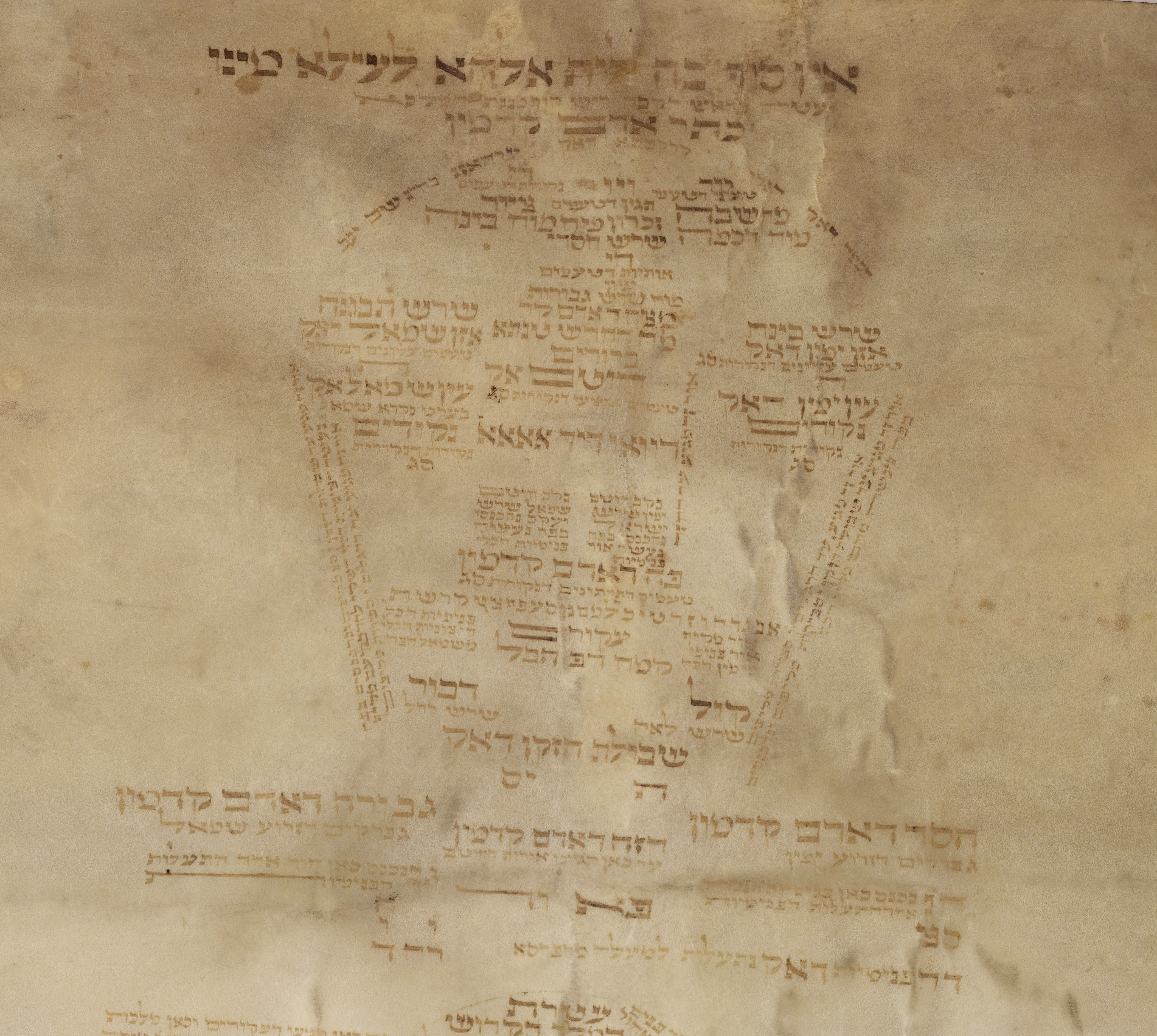
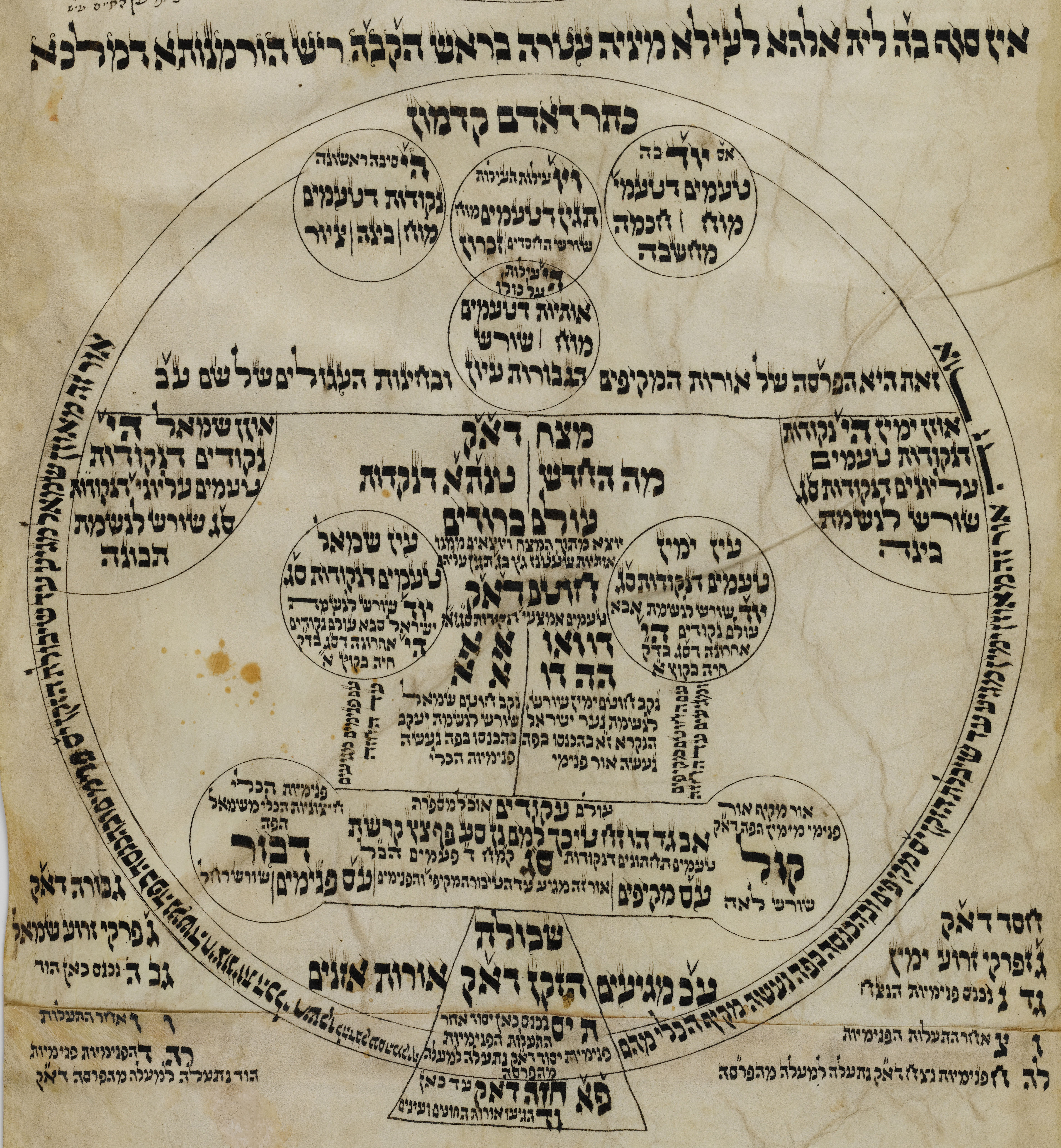
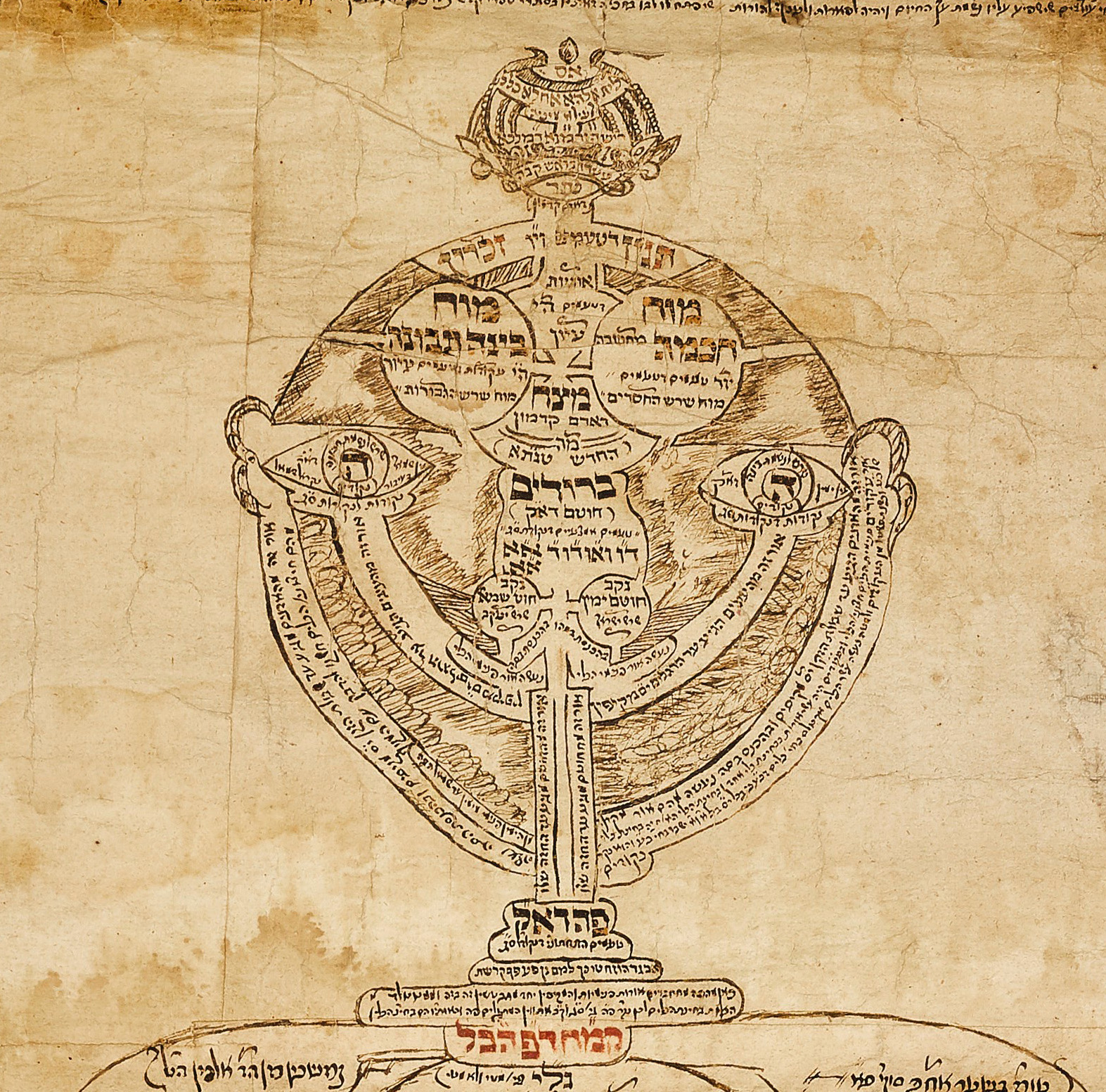
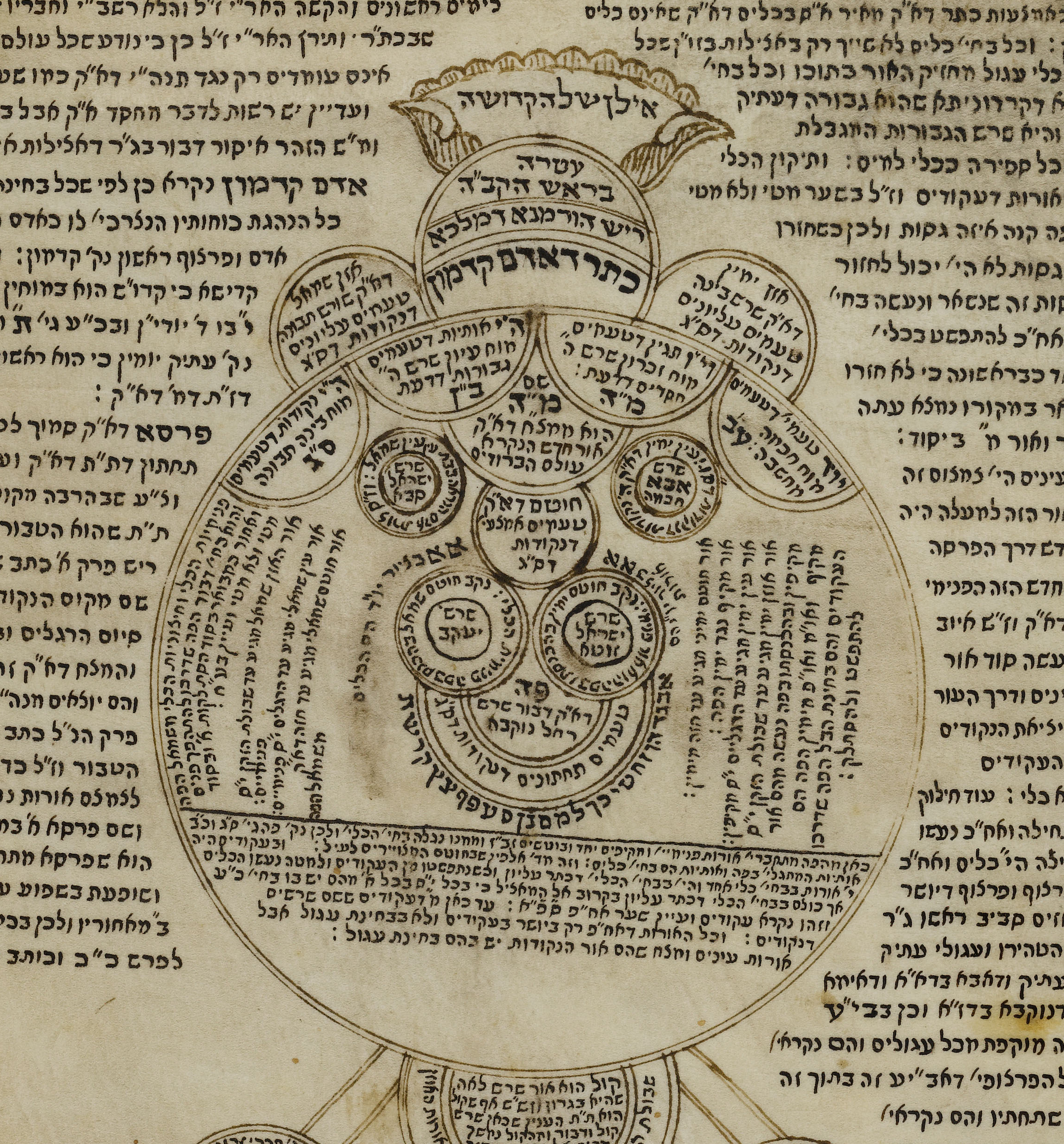
The Poppers ilan, known as the "Ilan of Adam Kadmon and the Enrobings," represents one of the most influential kabbalistic diagrams in the history of Lurianic visualization. Composed in the seventeenth century by Rabbi Meir Katz Poppers, this ilan became ubiquitous in later Lurianic practice and served as a foundational module in so-called Great Trees produced throughout Eastern Europe and the Mediterranean world until the present day. Great Trees are composite kabbalistic diagrams that combine multiple foundational modules—individual ilanot originally designed by different kabbalists—into comprehensive visualizations of the entire emanatory process (Chajes, The Kabbalistic Tree, 208).
Meir Poppers: The Kabbalist and His Vision
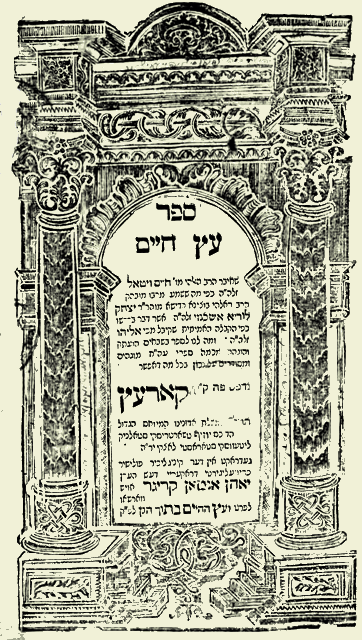
Rabbi Meir Katz Poppers (ca. 1624–1662, active in Krakow and Prague) was not merely a designer of kabbalistic diagrams but a towering figure in the textual transmission of Lurianic teachings. By 1651, he had completed a comprehensive reediting of the entire corpus of Ḥayyim Vital's writings, organizing them under the topical rubrics that became known as the canonical expression of Lurianic Kabbalah: 'Eẓ Ḥayyim (Tree of Life). Like his predecessor Jacob Ẓemaḥ, Poppers took images seriously, regarding graphical visualizations as crucial instruments in resolving disputed questions of Lurianic exegesis that texts alone could not settle. Poppers sought in Vital's visual materials—what he called "the drawn page" (daf ha-ẓiyyur)—a key to one of the most fraught questions in Lurianic interpretation: the precise location on Adam Kadmon from which the nekudim (primordial points of light) emerged.
The Original Ilan: Structure and Components
Poppers' ilan visualizes what kabbalists called the hitlabshuyot (enrobings), a doctrinal core of Lurianic theory and practice. His ilan represents the entire emanatory process from Adam Kadmon down through Arikh Anpin (the Long-Faced One) and Ze'ir Anpin (the Short-Faced One), visualizing how each parẓuf (configuration or persona) of the Divine represents a complete structure of the ten sefirot and how each subsequently "enrobes" or embeds itself within the next lower level of manifestation.
The ilan is characterized by its elegant clarity and pedagogical intent. Unlike many later copies that were embellished decoratively, the ilan that likely preserves Poppers' original presentation employs a relatively austere design featuring diagrammatic elements (circles, lines, and tables) combined with carefully placed Hebrew texts that label and explain each stage of the emanatory process. This simplicity, as Poppers himself noted, made the ilan suitable as both a teaching instrument and as a visual aid for contemplative practice.
Heads of Adam Kadmon
Wherever you go, you're going to Jerusalem